Health is wealth, eat well to live well.
Join my community and receive my free ebook! Subscribe now >>
The Elderly And High Blood Pressure:
How Do They Relate
The elderly often has elevated systolic blood pressure which is attributed to increased peripheral resistance in the arteries. Atherosclerosis or hardening of the arteries, part of the aging process, causes the arteries to be less responsive to the natural blood pressure regulating hormonal and nervous system messages.

Also aging changes the way your body absorbs, metabolizes and excrete drugs, making older people much more vulnerable to their adverse and toxic effects.
I consider the start of the elderly years to be age 65, and these senior citizens are growing in numbers.
It is said that by the year 2030, one in five Americans will be in that category and the number of people living past 100 years of age is also on the rise.
So over the next twenty years the concerns of this older group will become a major challenge. Though some elderly are quite healthy, they do need to build strong bones, and in some cases suffering from some degree of hearing loss.
But in general they have more than one disease.
This is where practicing these 8 self-care habits that make a difference will help tremendously. Along with knowing that the health of your chakras plays an important role in you maintaining good health and staying vibrant into your senior years .
Why Blood Pressure Rises With Age
There are many reasons why blood pressure rises with age, and some of the reasons are a reduction in kidney function, hardening of the arteries, increasing obesity, greater sensitivity to salt and not being ability to rid the body easily of salt.

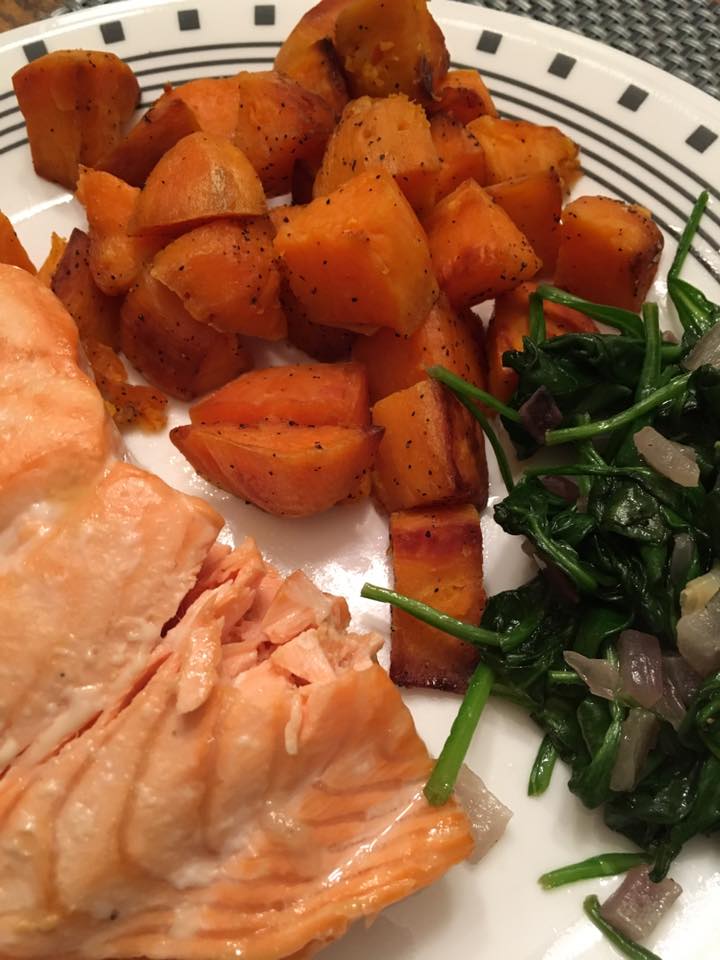
The elderly should be prioritizing healthy eating. I would suggest they aim to make their plate full of foods with vitamins, minerals, antioxidants, and fiber. A great way to do this is to make their meals as colorful as possible to give their body exactly what it needs to combat the development of any chronic disease complications and side effects.
With aging your high blood pressure development rises in stages and is usually described as essential. This is around the age of 50. That is when your sustained high blood pressure causes are not known. If you are in this essential blood pressure group you are highly susceptible to early heart attacks and brain damage, if left untreated.
Your life expectancy drops around 15 to 20 years. That is scary.
Over the age of 50 then the condition you now have is called secondary blood pressure. And as you know this is caused by a specific disease you have.
The good news is you can change the game on high blood pressure by aging well with these six tips. Also you can help with your blood flow circulation by adding body stretching exercises into your lifestyle, eating foods that strengthen your memory and boost your brain power.
Assessing The Elderly And High Blood Pressure
Changes in the blood pressure of your loved ones may have an unknown cause or be the result from a disease, along with the side effects of medication that cause their blood pressure to rise.
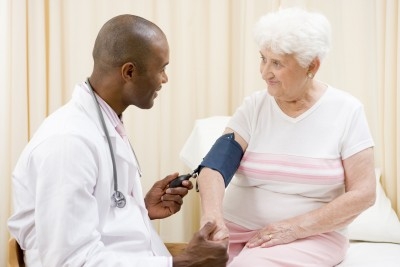
Your older loved ones may be taking multiple medications and are having all the problems associated with drug interactions.
This group is at a higher risk of heart attack from uncontrolled high blood pressure. A study in the British Medical Journal stated that this older generation between the ages of 65 and 74 can reduce heart attack by 17% if they take medications. You know the pharmaceutical companies love hearing that.
This study also states that among individuals 75 years and older, 75% of women and 65% of men have high blood pressure and these numbers are continually climbing.
Essential High Blood Pressure
Nearly all the elderly has essential high blood pressure and the cause is unknown. Most high blood pressure in the elderly has isolated systolic high blood pressure over 140 mm Hg, and diastolic blood pressure less than 90 mm Hg, and that can be a prediction of a brain attack or a heart attack.
But, if the isolated diastolic high blood pressure is less than 140 mm Hg, and diastolic blood pressure is greater than 90 mm Hg, then these readings pose no risk to a senior citizen.
So if you or a loved one is over 65 years of age with a systolic blood pressure reading that is greater than 140 mm Hg on several occasions, then you need to seek treatment and they also need to check their blood pressure morning surge.
Do some lifestyle changes like starting some form of strength training in your workouts. Even if you're a regular runner or cyclist, cardio isn't all your body needs. Start strength training in your workouts to improve your overall fitness and health.
Strength training can help increase your metabolism and bone density, reducing the risk of osteoporosis and other age-related problems. You only need a couple of days a week to put weightlifting on your schedule. Grab some dumbbells and keep them in your living room to use while watching TV.
You don't need to overhaul your entire life overnight, but taking small daily steps can lead to significant long-term results.
Also look into taking medications to bring your high blood pressure down. Today talk with your physician.
How Are You Living With High Blood Pressure
Since your diagnosis, how are you handling it and whats your treatment?
Do rave about your health.
Return To Home Page From The Elderly

Latest Podcast Episode
Listen to the most recent episode of my HBP Wellness Lifestyle Podcast
Newsletter Opt-In And Thank You Gift
Recent Articles


-
Site Map | Info on High Blood Pressure (HBP)
Apr 25, 24 08:45 PM
Search info-on-high-blood-pressure.com site map for innovative and informative information for you to live a healthy and quality life. Also subscribe to my blog and free monthly ezine for updates. -
What Causes High Blood Pressure | Hypertension
Apr 25, 24 08:41 PM
 Learning what causes high blood pressure can help you to avoid it or improve from this deadly condition.
 -
Mental Health Journey with Dr Ashley Harvey
Apr 25, 24 08:34 PM
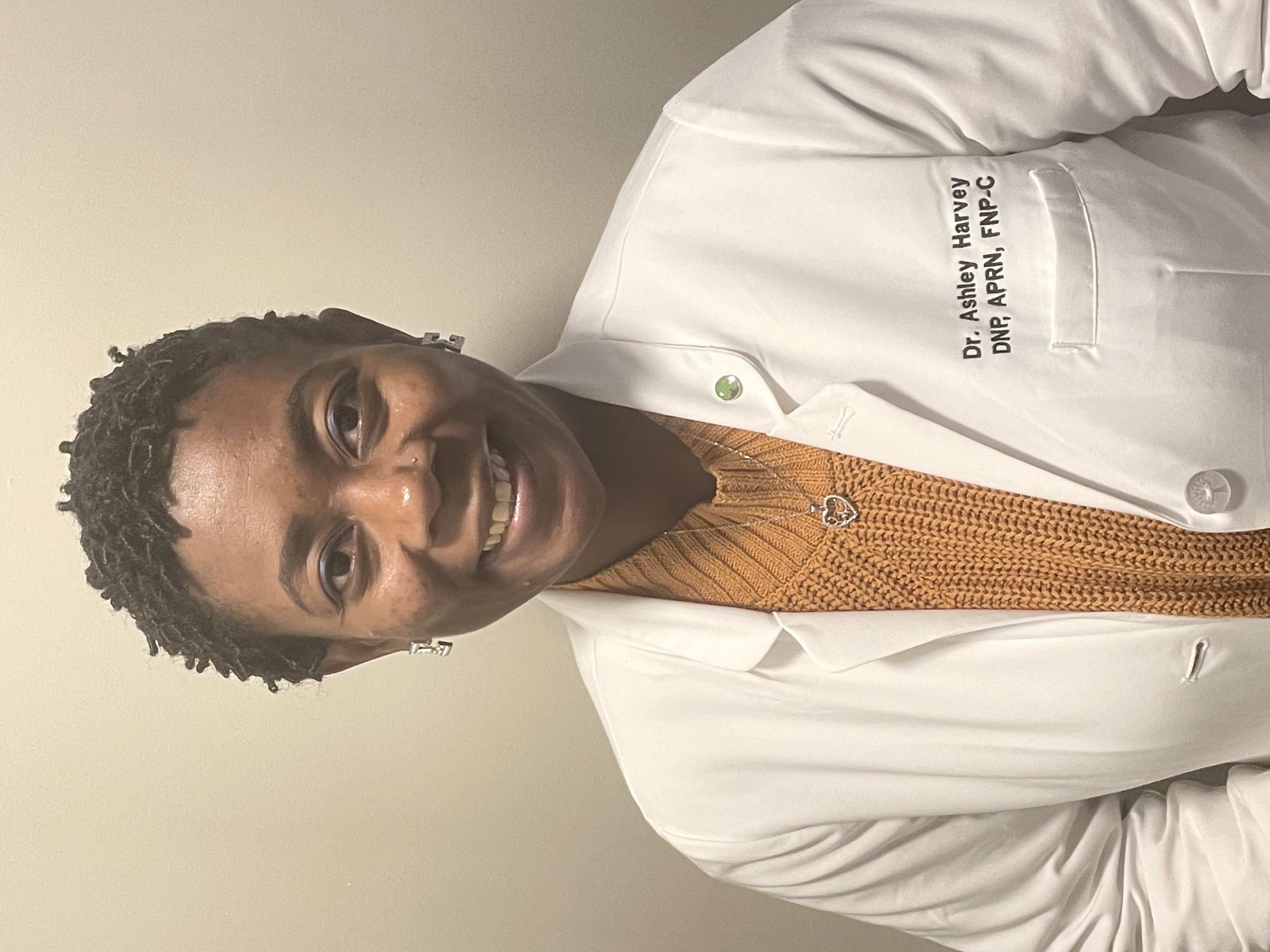 Mental Health Journey with Dr Ashley Harvey on her mindfulness practices that leads to self-care, self-discovery and wellbeing podcast. May is mental health awareness month, let’s get started on your…

Wondering How Not To Die from High Blood Pressure Complications?
Subscribe to my Top High Blood Pressure Control Tips. Get weekly insights on how you can activate your arteries to clean themselves and cut your risk factors, how to eat well to live well, achieve your unique blood pressure numbers, maintain permanent weight loss, (and how to do it without going into overwhelmed or driving yourself crazy!). Enter your name and email address, and I'll sent you my best tips right away.
New! Comments
Have your say about what you just read! Leave me a comment in the box below.