Health is wealth, eat well to live well.
Join my community and receive my free ebook! Subscribe now >>
Menopause And High Blood Pressure:
The Relationship And How To Revitalize Yourself!
My experience with menopause and high blood pressure happening at the same time was not good. It was December 1999; and I had just undergone a hysterectomy surgery. Overnight I was thrown into menopause with an onslaught of changes happening within my body, and mind.
At that time, everyone was either nervous, stressed, or excited about the change of the century to the year 2000. The media was pushing so many fears and scenario of possible drastic things might happen in the world.
None of the dreadful possibilities happened and the change was smooth with the clock and computers working just fine.

I had learned from my Mother and women of her era that the women of the island of Jamaica prepared their bodies for the changes to their estrogen levels.
They consumed a herbal drink named Lydia Pinkham, using natural herbs and other ingredients to balance the hormonal changes, easing the hot flashes and the power surge that may happen within the body, over a period of a year.
This is the period when their menstruation was not as regular.
There are seven drug and hormone free steps, as per Dr. Theresa Dale who's mentioned below; you can take to revitalize your estrogen leading you back to a healthy, happy and sexier life.
My Mother didn’t have power surges, or panic attacks as I did. Looking back my experiences were funny but was not so at the time of going through them.
When the power surge strikes you could see me stripping off my jacket, or drinking very, very cold water, or pressing a frozen water bottle to my forehead to calm my mind and body. My perspiration was like a little river running off my forehead.
I learned to dress in layers so I could take off one piece of clothing at a time to cool my body, and always had a small towel handy. Handkerchief could not do it and paper towels left residues.
The panic attacks had me running outside to get air or hanging my head out the window to get air.
Its my menopause and high blood pressure clashing!
When Does Menopause Start?
Technically menopause is defined as the absence of your menstrual periods for twelve months in a row and is accompanied by low levels of estrogen.
Lifestyle factors plays a very important role in the timing of when your menopause might start. Or if you have had your ovaries surgically removed.
Most women will experience an increase in blood pressure after menopause occurs. The risk factors of developing high blood pressure also increase in postmenopausal women, especially when you consider the difference in premenopausal women.
Me, Menopause And High Blood Pressure
With my hysterectomy I only remove my uterus due to painful periods, serious clots and a baseball size fibroid. My ovaries were not removed then, so my body was still protected by my body's natural estrogen.
I was only in my 40s at the time of my first surgery.
The fact that my ovaries were still there protected me from the increased risk of a heart attack along with my high blood pressure medication.
Then five years after my hysterectomy I had a second surgery to remove my ovaries.
What most women might not know, and I was also not aware of at the time, is that after ten years of the removal of your ovaries you are at a much higher risk for heart attacks, stroke and other cardiovascular diseases.
Now with me going through menopause and high blood pressure at the same time my risk factors had increased.
For women the symptoms for a heart attack, are not as well-known as those of men.
Here Are Some Facts Relating To Having High Blood Pressure With Menopause
  |
I was told about Dr. Theresa Dale book and incorporate her suggestions along with her hormone free seven steps on revitalizing and rebalancing hormones, body and mind through homeopathic remedies.
This therapy rejuvenated me. Its safe in comparison to hormone replacement therapy that raises the toxicity levels within the body over time, leaving you exhausted, stressed, affecting women’s sexuality and causing other uncomfortable symptoms.
Purchase and read Dr. Dale’s book and learn how to help your body do what it was designed to do for you to start looking and feeling your best.
Doctors believe that the numerous changes that occur in women during menopause lead to this increased risk of developing high blood pressure. The changes during your menopause are related to the changes happening in your ovaries, that brings on hormonal changes that can lead to your increased risk.
The hormonal changes that occur can lead to increased salt sensitivity and to weight gain. These are biochemical changes occurring during menopause and high blood pressure development in women.
Another factor that can sometimes play a role in the development of high blood pressure in women after menopause, is the use of medications to treat menopausal symptoms.
For example, hormone replacement therapy, or HRT, is often used to balance hormones in the woman’s body. However, HRT can also increase your blood pressure. Studies have stated that HRT ages your organs and bodily system.
Controlling Your Blood Pressure
Although there's an increase in the blood pressure of women after and immediately before menopause, there are ways to control it. Here's some information that can help:
- Lose excess weight, even the decrease of ten percent of your body weight can make a marked difference.
- Eat foods that are good for your heart such as whole grains, vegetables and fruits.
- Get physical exercise on a daily basis.
- Reduce the amount of sodium in your diet.
- Limit the amount of alcohol you drink or avoid it altogether if you already have high blood pressure.
- If you smoke, stop.
- Menopause is usually a natural change, but I also highly recommend you read this article by The National Institute On Aging. It provides you with even more information.
The combination of these factors is the best way to prevent or even to lower your blood pressure numbers. However, your doctor may offer additional help.
Menopausal Treatments
Medications are often necessary to treat high blood pressure. If your doctor prescribes medications for the treatment of the condition, take them and make lifestyle changes as well.
Also consider the use of alternative treatments for high blood pressure which can further improve your health and limit your dependency on medications.
Menopause and high blood pressure often go hand in hand for those who have these increased risk factors. However, through monitoring and prevention methods, you can lower your risk of developing this life-threatening condition.
At What Age Did You Go Into Menopause?
How are you managing your menopausal reactions? Are you taking any hormonal treatment and if so what are the side effects? Also how is your menopause affecting your high blood pressure?
Tell us your menopausal story.
What Other Visitors Have Said
Click below to see contributions from other visitors to this page...
The Tri-factor Not rated yet
Menopause, Depression and now High Blood Pressure!
At age 28 I was diagnosed with breast cancer and had a mastectomy. Did chemotherapy and then …
Return to "Women And High Blood Pressure" from "Menopause And High Blood Pressure"

Latest Podcast Episode
Listen to the most recent episode of my HBP Wellness Lifestyle Podcast
Newsletter Opt-In And Thank You Gift
Recent Articles


-
Site Map | Info on High Blood Pressure (HBP)
Apr 25, 24 08:45 PM
Search info-on-high-blood-pressure.com site map for innovative and informative information for you to live a healthy and quality life. Also subscribe to my blog and free monthly ezine for updates. -
What Causes High Blood Pressure | Hypertension
Apr 25, 24 08:41 PM
 Learning what causes high blood pressure can help you to avoid it or improve from this deadly condition.
 -
Mental Health Journey with Dr Ashley Harvey
Apr 25, 24 08:34 PM
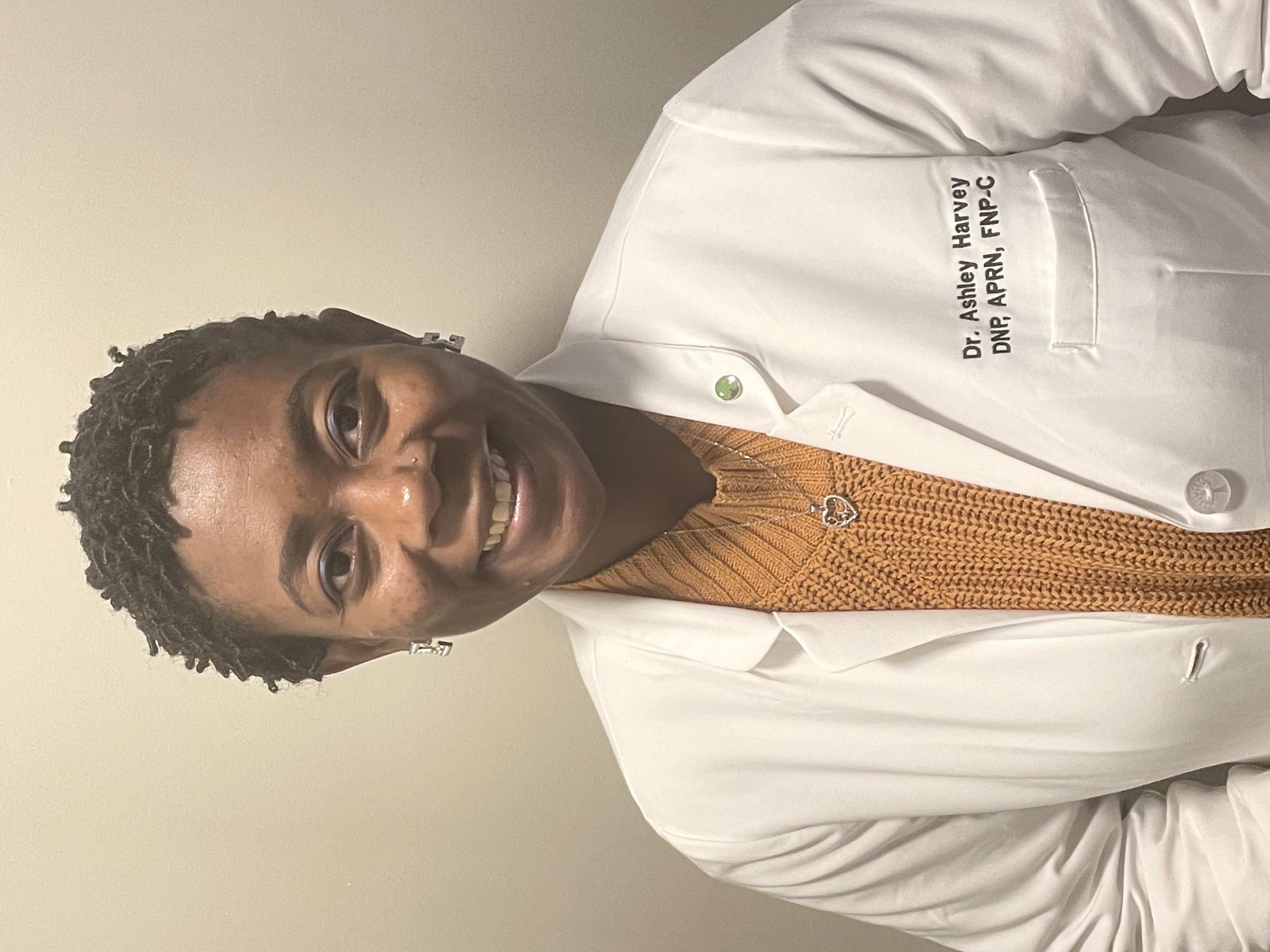 Mental Health Journey with Dr Ashley Harvey on her mindfulness practices that leads to self-care, self-discovery and wellbeing podcast. May is mental health awareness month, let’s get started on your…
Wondering How Not To Die from High Blood Pressure Complications?
Subscribe to my Top High Blood Pressure Control Tips. Get weekly insights on how you can activate your arteries to clean themselves and cut your risk factors, how to eat well to live well, achieve your unique blood pressure numbers, maintain permanent weight loss, (and how to do it without going into overwhelmed or driving yourself crazy!). Enter your name and email address, and I'll sent you my best tips right away.
New! Comments
Have your say about what you just read! Leave me a comment in the box below.