Health is wealth, eat well to live well.
Join my community and receive my free ebook! Subscribe now >>
High Systolic Blood Pressure:
What Does That Mean?
High systolic blood pressure is an indication of too much pressure building in your heart's arteries. Treatment is necessary to avoid potentially fatal complications. If your doctor has told you that your systolic blood pressure is high, it can be quite unnerving.
Then these questions should be asked. What exactly does it mean? What is high blood pressure? Are there good treatments?
Blood pressure is the measurement of the amount of pressure forcing against the walls of your arteries, which are the tubes that carry blood from your heart to the tissues and organs of your body. If there is too much pressure, the pressure can cause your heart to strain or an artery wall to burst.
Systolic blood pressure is one of two types of pressure measurement that doctors use to determine the amount of pressure in these arteries. Systolic blood pressure is the amount of pressure that is in the arteries when the heart is pumping. The second type of pressure measurement is diastolic, which is the measurement of the amount of pressure in the heart when the heart is at rest.
When the heart fills with blood, this marks the end of the cardiac cycle. This is also when diastolic pressure measurements are taken. Systolic blood pressure measurements occur when the heart is contracting. This is more commonly known as the heartbeat.
If you are one of those people who have high systolic pressure, then you will have a high amount of pressure forcing against the artery walls when your heart is contracting or forcing blood into the arteries.
Your High Systolic Blood Pressure Numbers
Doctors list high blood pressure by the millimeters of mercury, or mmHg. They calculate this using a device called a sphygmomanometer.
The first number listed is the systolic blood pressure and the second is the diastolic pressure. If your doctor has told you that you have high systolic pressure, this indicates that the pressure is above 120. Those with a high systolic pressure have pressure over 80.
What This Means
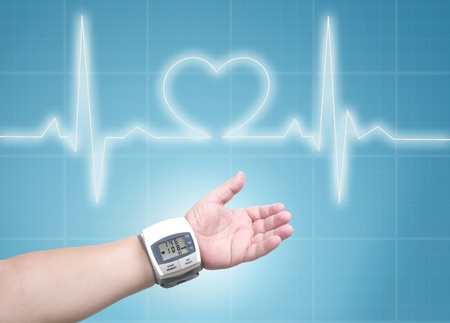
In situations where your blood pressure is 120/80, you have normal blood pressure, though this is the high point. Those with pressure over 120/80 but under 139/89 have pre-hypertension.
Anything over this is the mark of high blood pressure. If your systolic blood pressure is elevated, but the diastolic is not, this is still high blood pressure.
These Numbers Matter
Those with high blood pressure, including just high systolic pressure, are most likely to develop complications, including:
- Kidney disease
- Heart failure
- Stroke
- Blindness
- Heart attacks
However, doctors can and do treat high systolic blood pressure through a number of methods. You do not have to put your health at risk.
Return to "What Is High Blood Pressure?" from "High Systolic Blood Pressure"

Latest Podcast Episode
Listen to the most recent episode of my HBP Wellness Lifestyle Podcast
Newsletter Opt-In And Thank You Gift
Recent Articles


-
Site Map | Info on High Blood Pressure (HBP)
Apr 25, 24 08:45 PM
Search info-on-high-blood-pressure.com site map for innovative and informative information for you to live a healthy and quality life. Also subscribe to my blog and free monthly ezine for updates. -
What Causes High Blood Pressure | Hypertension
Apr 25, 24 08:41 PM
 Learning what causes high blood pressure can help you to avoid it or improve from this deadly condition.
 -
Mental Health Journey with Dr Ashley Harvey
Apr 25, 24 08:34 PM
 Mental Health Journey with Dr Ashley Harvey on her mindfulness practices that leads to self-care, self-discovery and wellbeing podcast. May is mental health awareness month, let’s get started on your…

Wondering How Not To Die from High Blood Pressure Complications?
Subscribe to my Top High Blood Pressure Control Tips. Get weekly insights on how you can activate your arteries to clean themselves and cut your risk factors, how to eat well to live well, achieve your unique blood pressure numbers, maintain permanent weight loss, (and how to do it without going into overwhelmed or driving yourself crazy!). Enter your name and email address, and I'll sent you my best tips right away.
New! Comments
Have your say about what you just read! Leave me a comment in the box below.