Health is wealth, eat well to live well.
Join my community and receive my free ebook! Subscribe now >>
See How Pregnancy And High
Blood Pressure Are Managed
Understanding how a pregnancy and high blood pressure in women are managed is of utmost importance. On most occasions HBP management during pregnancy is simple and straight forward. But on some occasions, though rarely, does a pregnant woman suddenly develops signs and symptoms around the middle of her pregnancy that put her and her growing fetus at risk for sickness and even death.
High blood pressure occurs in around 5% of all pregnancies. This blood pressure covers a wide range of conditions that carries different implications and requires different types of management.
Your doctor has to understand how a woman's blood pressure is responding to her pregnancy.
The classifications of hypertension during pregnancy are:
- Pre-existing essential hypertension
- Secondary hypertension
- Pregnancy-induced hypertension
- Pre-eclampsia
- Eclampsia
It is important to remember that pregnancy and high blood pressure affects the fetus as well as the mother.
Detailed Info On Conditions Associated With Pregnancy And High Blood Pressure
Pre-existing Essential Hypertension
Pre-existing essential hypertension is also known as chronic high blood pressure and is present about the twentieth week of pregnancy.
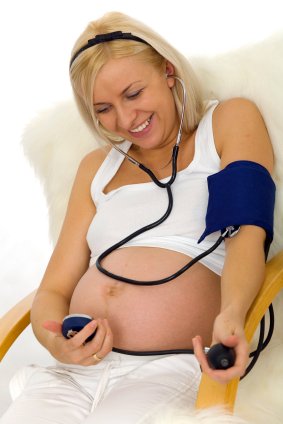
This condition was not caused by the pregnancy but it is the first time being measured by the woman's doctor and exist in about 5% of young women of childbearing age and is usually mild.
But the same pre-existing essential hypertension exist in about 10% of women in their late thirties and early forties.
If the pregnant woman's doctor have blood pressure measurements before the pregnancy and high blood pressure the prognosis for the mother and fetus is improved.
Secondary Hypertension
Secondary high blood pressure is uncommon and is usually found in younger women and is associated with a poor maternal and fetal outcome.
Pregnancy-Induced Hypertension
Usually develops after the twentieth week of pregnancy and is gone by the tenth day after delivery of the baby.
For this diagnosis to be made, high blood pressure readings must be documented to be normal both before and after pregnancy.
Pre-eclampsia And Eclampsia
Pre-eclampsia is more common in women who are overweight.
If you have uncontrolled high blood pressure the chances of developing more complications during pregnancy, including preeclampsia, premature labor, reduced kidney function and poor fetal growth is possible.
Your doctor will test your blood and urine more regularly to make sure your kidneys are functioning well if you have high blood pressure and am pregnant. The doctor will also run test to make sure the fetus is also developing properly.
But lets talk about Preeclampsia, also called toxemia.
Preeclampsia, a condition of the second half of pregnancy, is high blood
pressure, affecting women during their first pregnancy - leaking of
protein into the urine and water retention in pregnancy. Symptoms includes severe headaches, face swelling and blurred vision.
Call your doctor. If this condition is not treated, you can start experiencing seizures, not good, and these seizures are called eclampsia.
Women who developed pre-eclampsia during their first pregnancy have a 7.5% chance of it returning for their next pregnancy and should be monitored.
Anti-Hypertensive Therapy
Safe choices of anti-hypertensive therapy is available if you are pregnant and have high blood pressure.
Return To "Women And High Blood Pressure" from "Pregnancy And High Blood Pressure".

Newsletter Opt-In And Thank You Gift
Latest Podcast Episode
Listen to the most recent episode of my HBP Wellness Lifestyle Podcast
Recent Articles


-
Sustainable Weight Control
Aug 21, 25 09:43 PM
 Would you like sustainable weight control, optimal health that includes normal blood pressure measurements and wellbeing? Like a science experiment, you can discover what works for you. I can guide yo…
 -
Info On High Blood Pressure Sitemap
Aug 21, 25 09:39 PM
Search info-on-high-blood-pressure.com sitemap for innovative and informative information for you to live a healthy and quality life. Also subscribe to my blog and free monthly ezine for updates. -
The 3-Part Plate System I Teach Every Client
Aug 21, 25 09:36 PM
 Curious about balanced meals? Discover the 3-Part Plate System, supporting energy, focus, and overall well-being. What's on your plate today?
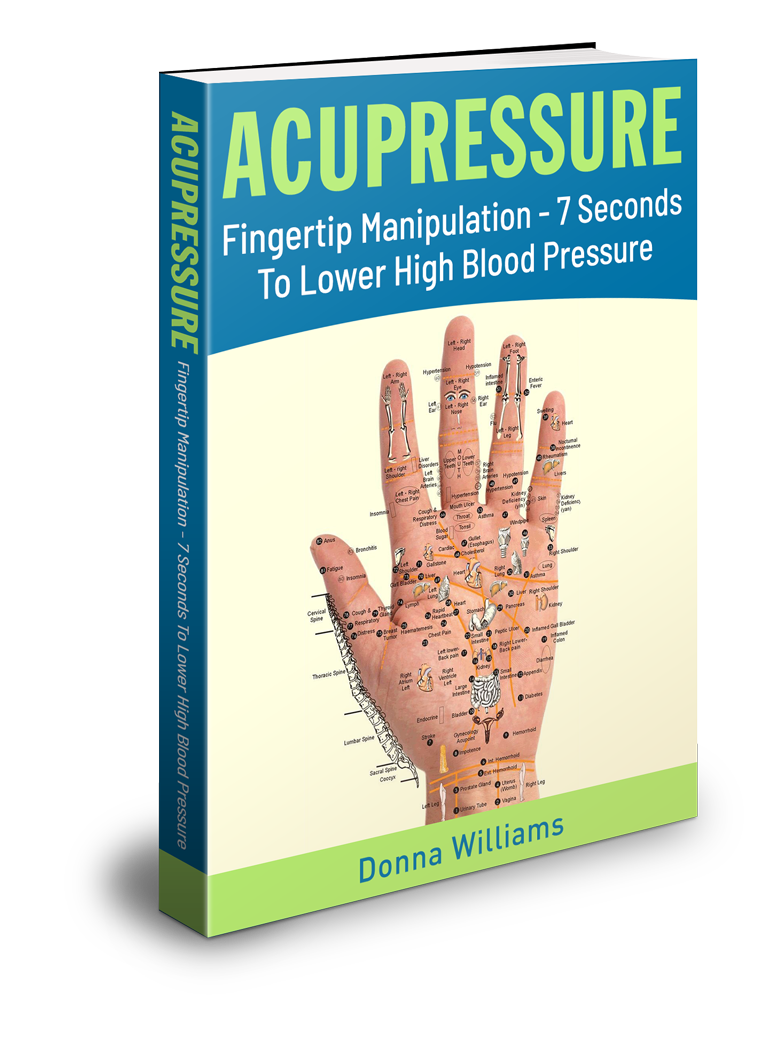
Lower Blood Pressure Naturally and Activate Your Arteries to Clean Themselves. Join my community and receive my free gift of Acupressure - Fingertip Manipulation - 7 Seconds To Lower High Blood Pressure.
New! Comments
Have your say about what you just read! Leave me a comment in the box below.