Health is wealth, eat well to live well.
Join my community and receive my free ebook! Subscribe now >>
What Is High Diastolic Blood Pressure?
It Can Indicate A Serious Health Problem
When doctors are determining health, a high diastolic blood pressure may be an indication of trouble. In order to learn what your blood pressure is, doctors will use a device called a sphygmomanometer. This device helps to measure the amount of pressure within the arteries of your heart at two times: when the heart is pumping and when the heart is resting.
High diastolic blood pressure is one indication that an individual is facing a significant health problem. Here's what that means to you when you're experiencing high diastolic readings.
Diastolic pressure is the measurement of the amount of pressure that is exerted on the walls of the arteries by the heart when the heart is resting, or in between beats. The other number that is used is the systolic blood pressure. This is the measurement of the amount of pressure within the heart during a beat.
To further clarify, diastolic pressure
is the end of the cardiac cycle (a heartbeat or a rest period). At this
point, the heart is filled with blood.
The systolic blood pressure is the beginning of the cardiac cycle. This occurs when the heart contracts or squeezes blood out into the arteries. The difference between the diastolic pressure and the systolic blood pressure is the pulse pressure.
High Diastolic Blood Pressure Numbers
To determine if someone has high blood pressure, doctors observe and calculate the amount of pressure in the heart's arteries at any given time.
The systolic blood pressure is listed first, and in a healthy person is at or below 120. The diastolic blood pressure is written second and it should be at or under 80 to be considered normal.
High Diastolic Numbers?
When there is a higher reading from either type of blood pressure, doctors label you as having high blood pressure.
If the numbers are above 120/80 but are under 139/89, then you have pre-hypertension. Anything above these numbers is high blood pressure.
If one of the numbers is above a healthy level and the other is under that level, doctors label the condition as high blood pressure.
High Readings Matter
When it comes to having high blood pressure, the numbers do make a difference. High blood pressure can:
- Lead to heart failure
- Cause blindness
- Causes headaches
- Hamper the kidneys
- Cause a stroke
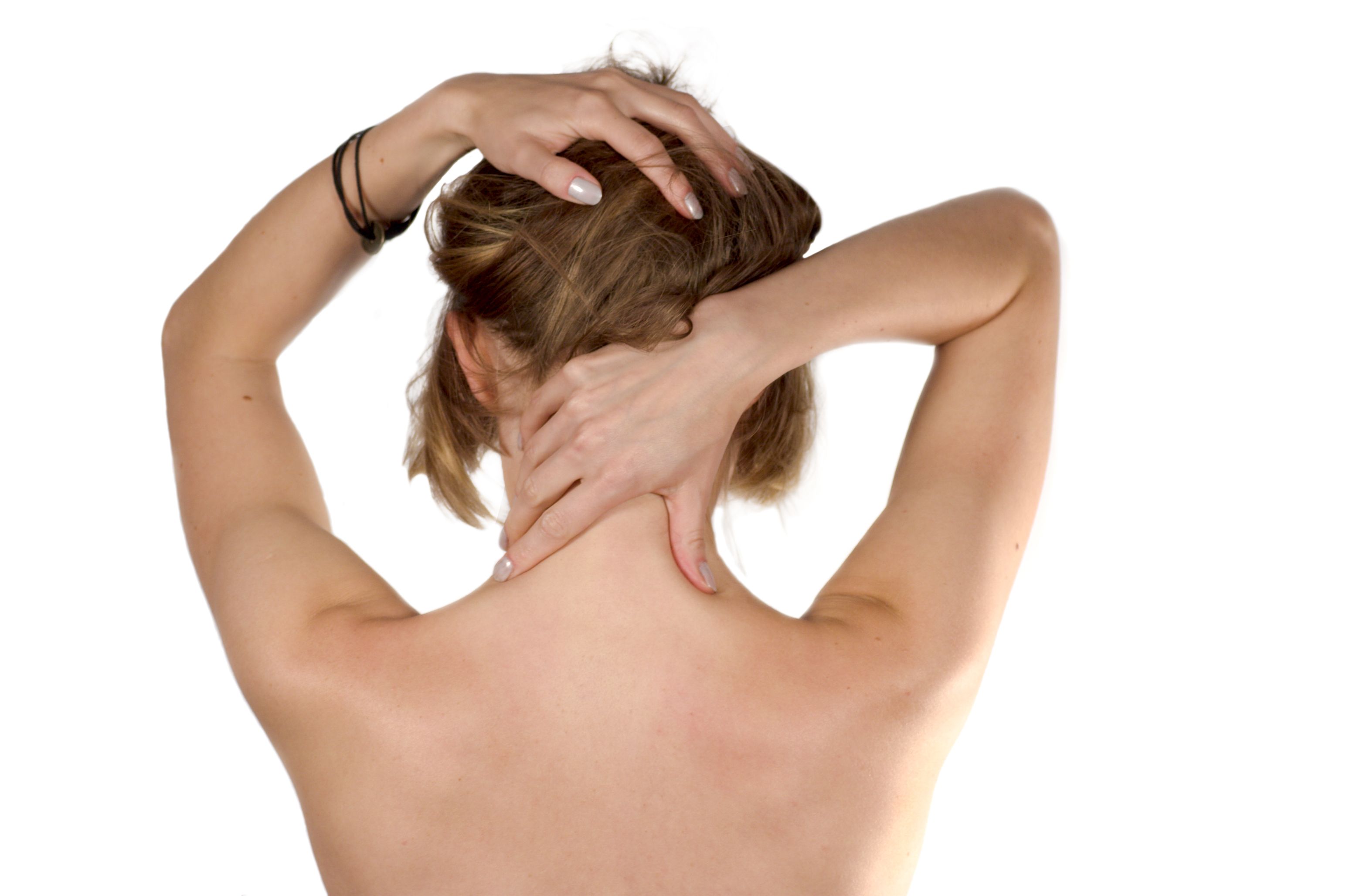
- Tightness in the back of your head/neck
In situations where you do have elevated diastolic pressure, the good news is that there are treatments that can lower that number. However, doctors do not often focus on just the diastolic or systolic pressure individually. Because reducing both numbers are important.
Return to "What Is High Blood Pressure?" from "High Diastolic Blood Pressure"

Latest Podcast Episode
Listen to the most recent episode of my HBP Wellness Lifestyle Podcast
Newsletter Opt-In And Thank You Gift
Recent Articles


-
Stabilize Blood Sugar Control With Whole Foods
Apr 16, 24 07:43 PM
 How to stabilize blood sugar control is critical for your overall health. Fortunately, one of the most effective ways to manage blood sugar is through diet, specifically by incorporating whole foods.
 -
What Is High Blood Pressure
Apr 13, 24 10:15 PM
 What is high blood pressure? Find out what this silent killer and commonly diagnosed medical condition is.
 -
Site Map | Info on High Blood Pressure (HBP)
Apr 13, 24 10:14 PM
Search info-on-high-blood-pressure.com site map for innovative and informative information for you to live a healthy and quality life. Also subscribe to my blog and free monthly ezine for updates.
Wondering How Not To Die from High Blood Pressure Complications?
Subscribe to my Top High Blood Pressure Control Tips. Get weekly insights on how you can activate your arteries to clean themselves and cut your risk factors, how to eat well to live well, achieve your unique blood pressure numbers, maintain permanent weight loss, (and how to do it without going into overwhelmed or driving yourself crazy!). Enter your name and email address, and I'll sent you my best tips right away.
New! Comments
Have your say about what you just read! Leave me a comment in the box below.