Health is wealth, eat well to live well.
Join my community and receive my free ebook! Subscribe now >>
How To Explain Blood Pressure Readings
Your doctor will explain blood pressure readings to you. The level of your blood pressure readings profoundly affects your health. Understanding what goes wrong when you have hypertension is possible if you know how the healthy body normally regulates blood pressure.
High blood pressure, or hypertension, is a condition in which the pressure in the arteries is too high.
An ideal or normal blood pressure reading is less than 120/80. Hypertension often causes no symptoms until there is significant amounts of damage to the body, which is why it is known as the silent killer.
To classify your blood pressure, your doctor averages two or more blood pressure readings taken after you have been seated quietly for at least five minutes.
Review the blood pressure chart page that further explains blood pressure readings.
Let Me Explain Blood Pressure Readings More
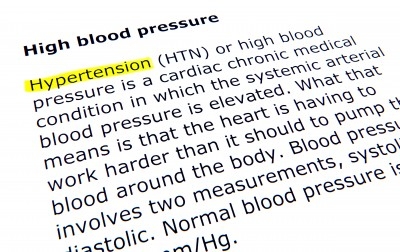
The normal control of blood pressure alter the speed and force at which your heart contracts so more or less blood is pumped into your circulation.
Let me explain blood pressure readings a little bit more. If you have blood pressure readings of 135/85 mm Hg on one occasion and 145/95 mm Hg on another, you have an average blood pressure of 140/90 mm Hg. This is borderline high blood pressure.
Normal blood pressure readings is less than 120/80. Staying within this measurement places you at the lowest risk of developing heart disease or having a stroke.
To further explain blood pressure readings, when the heart pumps, pressure in the arteries temporarily increases, that is called systolic pressure and that is the top number. When the heart relaxes between beats, blood pressure in the arteries temporarily decreases, that is called diastolic pressure and that is the bottom number.
Blood pressure is essential for life. Without adequate blood pressure, blood would not be able to reach the cells in your body to supply them with oxygen.
An elevation of the systolic and/or diastolic blood pressure increases the risk of developing heart disease, hardening of the arteries, eye damage and stroke.
The heart works harder pumping blood against a consistently higher than normal level of blood pressure. Just as the muscles in your arm get bulkier when you lift weights, the muscular wall of the heart, particularly the left ventricle, grows thicker because of strenuous pumping.
However, the thicker heart muscle is not necessarily stronger, since the heart's blood supply does not increase to the same degree as the muscle. Therefore the heart may actually become weaker after many years of high blood pressure, eventually leading to heart failure.
Primarily high blood pressure may start at any age, but usually begins during middle age and may run in families, and more severe in African Americans. High blood pressure leads to diseases of the heart and blood vessels in a number of ways.
Heart Muscle Damage
Heart muscle damage can be classified into three major categories:
Dilated Cardiomyopathy
Dilated cardiomyopathy is a condition in which the heart muscle fibers have stretched to the point where the heart can no longer contract forcefully, affecting your blood pressure.
Hypertrophic Cardiomyopathy
Hypertrophic cardiomyopathy results from a thickening of the heart muscle that limits the capacity of the ventricles and may interfere with the functioning of the aortic valve. Again affecting your blood pressure.
Restrictive Cardiomyopathy
Restrictive cardiomyopathy is when the heart muscle becomes so stiff that the ventricles cannot expand to fill with blood.
Symptoms
Like many serious diseases, high blood pressure does not produce symptoms until it has slowly and silently damage various organs which then begins to malfunction.
How Are You Living With High Blood Pressure
Since your diagnosis, how are you handling it and whats your treatment?
Do rave about your health.
Visit "Blood Pressure Chart" from "Explain Blood Pressure Readings".

Latest Podcast Episode
Listen to the most recent episode of my HBP Wellness Lifestyle Podcast
Newsletter Opt-In And Thank You Gift
Recent Articles


-
Stabilize Blood Sugar Control With Whole Foods
Apr 16, 24 07:43 PM
 How to stabilize blood sugar control is critical for your overall health. Fortunately, one of the most effective ways to manage blood sugar is through diet, specifically by incorporating whole foods.
 -
What Is High Blood Pressure
Apr 13, 24 10:15 PM
 What is high blood pressure? Find out what this silent killer and commonly diagnosed medical condition is.
 -
Site Map | Info on High Blood Pressure (HBP)
Apr 13, 24 10:14 PM
Search info-on-high-blood-pressure.com site map for innovative and informative information for you to live a healthy and quality life. Also subscribe to my blog and free monthly ezine for updates.

Wondering How Not To Die from High Blood Pressure Complications?
Subscribe to my Top High Blood Pressure Control Tips. Get weekly insights on how you can activate your arteries to clean themselves and cut your risk factors, how to eat well to live well, achieve your unique blood pressure numbers, maintain permanent weight loss, (and how to do it without going into overwhelmed or driving yourself crazy!). Enter your name and email address, and I'll sent you my best tips right away.
New! Comments
Have your say about what you just read! Leave me a comment in the box below.