Health is wealth, eat well to live well.
Join my community and receive my free ebook! Subscribe now >>
Blood Pressure Definition And You
Blood Pressure definition is worth knowing, when one in every three adults are being diagnosed daily with high blood pressure. Understanding the definition of high blood pressure will help you to know how your blood pressure affects your organs, how you can prevent it, the many ways you can treat it and also your health risk.

How Is Your Blood Pressure Measured?
Blood pressure can be measured by both invasive and non-invasive methods. The most common way of measuring your blood pressure is with the help of a sphygmomanometer or also know as a blood pressure gauge.
Your high blood pressure is measured in the brachial artery located in the inner area of your bent elbow. This is a major artery in your upper arm and carries blood away from the heart.
Your pressure is normally expressed as systolic pressure over the diastolic pressure in mm Hg. Systolic pressure is the pressure when your heart beats and pumps your blood.
Systolic is the highest as compared to the diastolic pressure which is your pressure when your heart relaxes between beats.
 , recommended and rated No. 1 by doctors and pharmacists. Feel empowered by its accuracy with its exclusive TruRead technology that automatically takes three consecutive readings one minute apart and calculates the average.
This blood pressure monitor is comfortable and simple to adjust, the pre-formed ComFit Cuff inflates around your entire arm ensuring the brachial artery is compressed for a more precise reading and fits arms 0 to 17 inches. Buys yours today.
What Is Blood Pressure Definition?
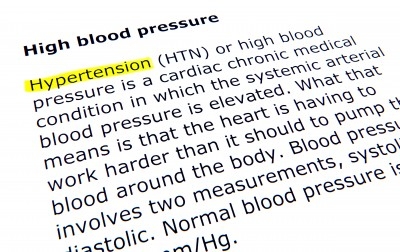
Blood pressure is the pressure that is exerted by your blood on the walls of your blood vessels during circulation.
This is one of the main vital signs that are measured for ensuring wellness of your body.
How Does The Definition Of High Blood Pressure Varies In Your Body
Your blood pressure varies between a maximum and a minimum pressure depending on your heartbeat and other factors. The maximum pressure is attained at the systole while the minimum during diastole.
Systole
is the contraction of your heart, as your blood flows through the thick
arteries, your ventricles, close to your heart. It relates to the
first sound that is heard when your pressure is being measured.
And, diastole is the second sound as your blood pressure is being measured, as your heart relaxes during the dilatation of your heart chambers as it fill with blood.
Gravity and your vein values are the other factors that influence your blood pressure.
What Are The Effects Of Increased Or Decreased Blood Pressure Values?
Blood pressure values low or high can cause healthy disorders and need to be immediately addressed.
Increase in blood pressure is termed as hypertension and can result in heart attacks and other kidney diseases.
Hypotension on the contrary is the condition when your blood pressure is lowered and can result in fainting, dizziness, etc.
Blood pressure values greater than 140/90 mm Hg of systolic and diastolic pressure is classified as high blood pressure. While values lesser than 120/60 mm Hg is termed as low blood pressure.
As you can see you should know your blood pressure definition on a regular basis, by monitoring your blood pressure levels, taking the necessary diet and lifestyle precautions and keeping your blood pressure under control.
Return From Blood Pressure Definition To What Is High Blood Pressure

Latest Podcast Episode
Listen to the most recent episode of my HBP Wellness Lifestyle Podcast
Newsletter Opt-In And Thank You Gift
Recent Articles


-
Site Map | Info on High Blood Pressure (HBP)
Apr 23, 24 12:18 PM
Search info-on-high-blood-pressure.com site map for innovative and informative information for you to live a healthy and quality life. Also subscribe to my blog and free monthly ezine for updates. -
Opportunities To Improve And Stick With For Life
Apr 23, 24 12:12 PM
 Embrace these incredible opportunities to improve and reset your taste buds, body, home and world. Let’s reset our habits.
 -
Battling Spring Allergies The Natural Way So We Can Breathe Easy!
Apr 23, 24 11:57 AM
 Battling spring allergies the natural way to breathe easy with these proactive steps, managing seasonal allergies is possible. Then we’ll be able to enjoy this season of blossoming flowers and warmer…

Wondering How Not To Die from High Blood Pressure Complications?
Subscribe to my Top High Blood Pressure Control Tips. Get weekly insights on how you can activate your arteries to clean themselves and cut your risk factors, how to eat well to live well, achieve your unique blood pressure numbers, maintain permanent weight loss, (and how to do it without going into overwhelmed or driving yourself crazy!). Enter your name and email address, and I'll sent you my best tips right away.
New! Comments
Have your say about what you just read! Leave me a comment in the box below.